
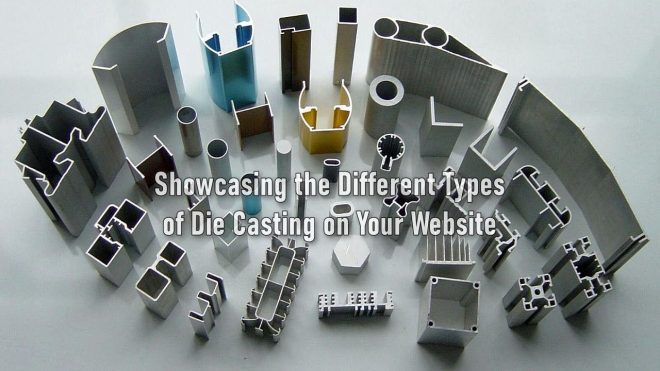
Die casting remains one of the most versatile and widely used manufacturing processes in sectors ranging from automotive to consumer electronics. For companies aiming to stand out in a competitive market, presenting this capability effectively online can influence both customer trust and conversion rates. Brands like Beyonics have demonstrated how highlighting the various types of die casting in a clear and professional manner can enhance credibility and attract industry-specific clients.
When showcased well, technical processes become more than just production steps, they become compelling stories of precision, efficiency, and innovation. An informative, visually engaging, and well-structured website can serve as a virtual showroom, helping potential customers see the depth of your manufacturing expertise while aligning your capabilities with their specific needs.
Present High-Pressure Die Casting with Industry Relevance
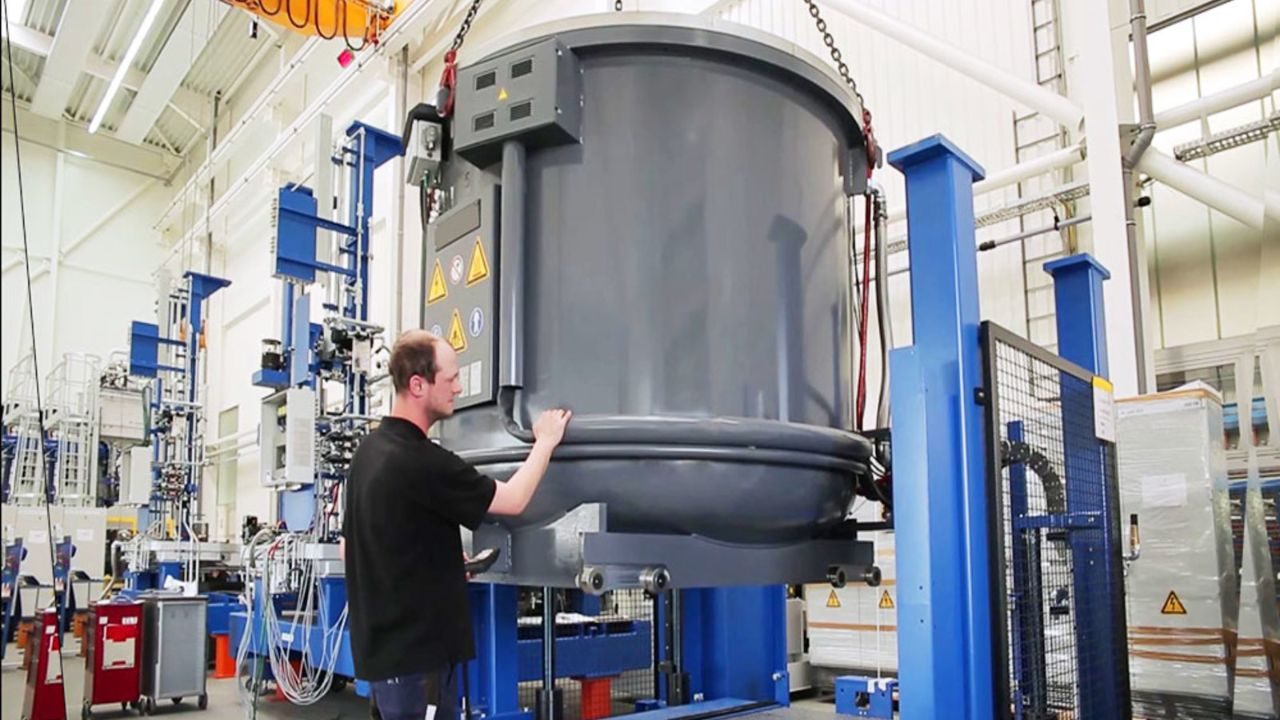
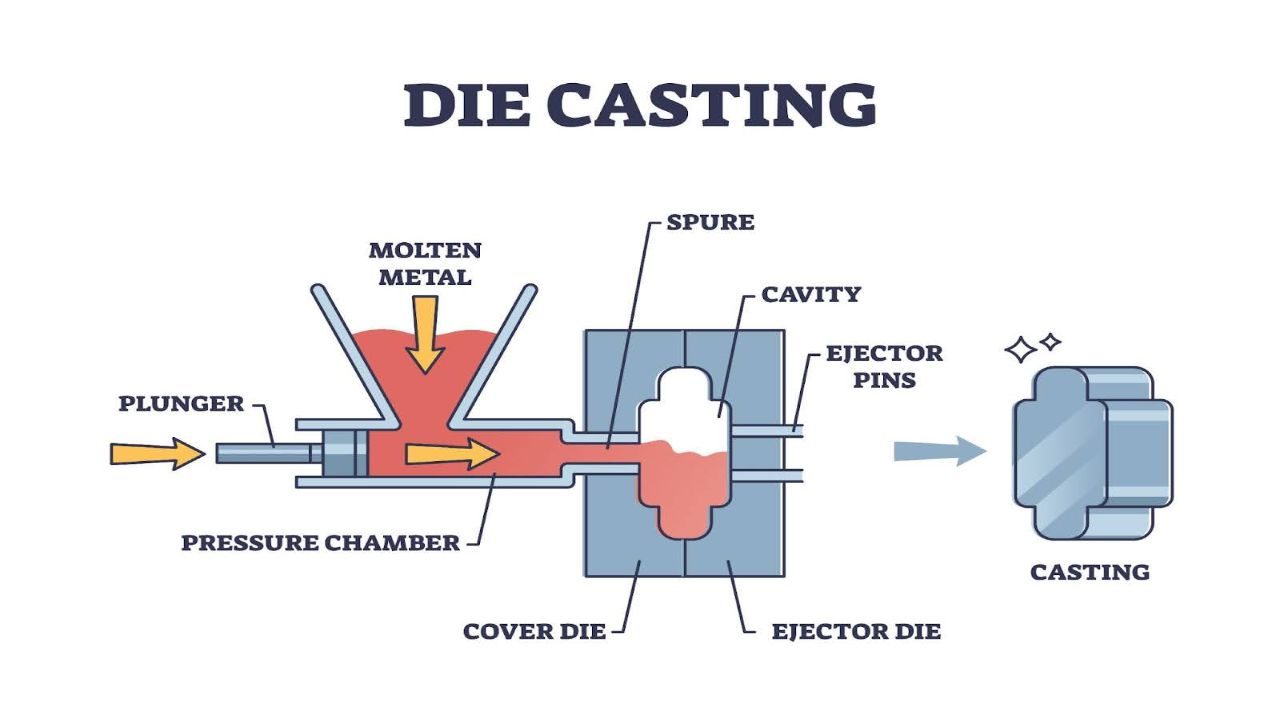
High-pressure die casting (HPDC) is often the go-to choice for complex, high-volume production. It involves injecting molten metal into a steel mold at high speed and pressure, creating strong and detailed parts. When featuring HPDC on your website, avoid limiting the description to technical definitions. Instead, focus on real-world benefits such as consistent dimensional accuracy, suitability for lightweight components, and cost efficiency in large runs.
Consider adding images or videos showing the HPDC process in action. Highlight common applications like automotive engine components, housing for electronic devices, or appliance parts. Using a combination of visual elements and concise descriptions helps customers quickly connect the process with potential product outcomes. This approach reinforces expertise while making technical content approachable.
Explain Low-Pressure Die Casting for Precision Applications
Low-pressure die casting (LPDC) offers unique advantages for parts requiring excellent mechanical properties and structural integrity. By forcing molten metal upward into the mold under low pressure, LPDC allows for reduced turbulence, which in turn minimizes defects. This process is ideal for aerospace and automotive wheel manufacturing, where uniform density and durability are critical.
On your website, present LPDC as a solution for projects where strength and dimensional stability cannot be compromised. Use clear visuals or infographics to compare LPDC with other methods, showcasing how the slower, controlled filling process results in higher quality. Including customer success stories or project examples can further demonstrate your ability to meet stringent industry standards.
Feature Gravity Die Casting with Craftsmanship Highlights
Gravity die casting relies on gravity rather than pressure to fill molds. While simpler in execution compared to high- and low-pressure methods, it remains a preferred option for medium-volume runs and parts requiring superior surface finishes. The process often uses reusable metal molds, making it suitable for repeatable, consistent production.
When describing gravity die casting online, emphasize its adaptability to various alloys, such as aluminum and brass, and its ability to produce both simple and complex shapes. Pair this explanation with photographs of finished parts that showcase smooth surfaces and fine details. By linking process benefits to customer needs, such as reduced machining requirements, you create a narrative that supports decision-making.
Highlight Squeeze Casting for Strength and Quality
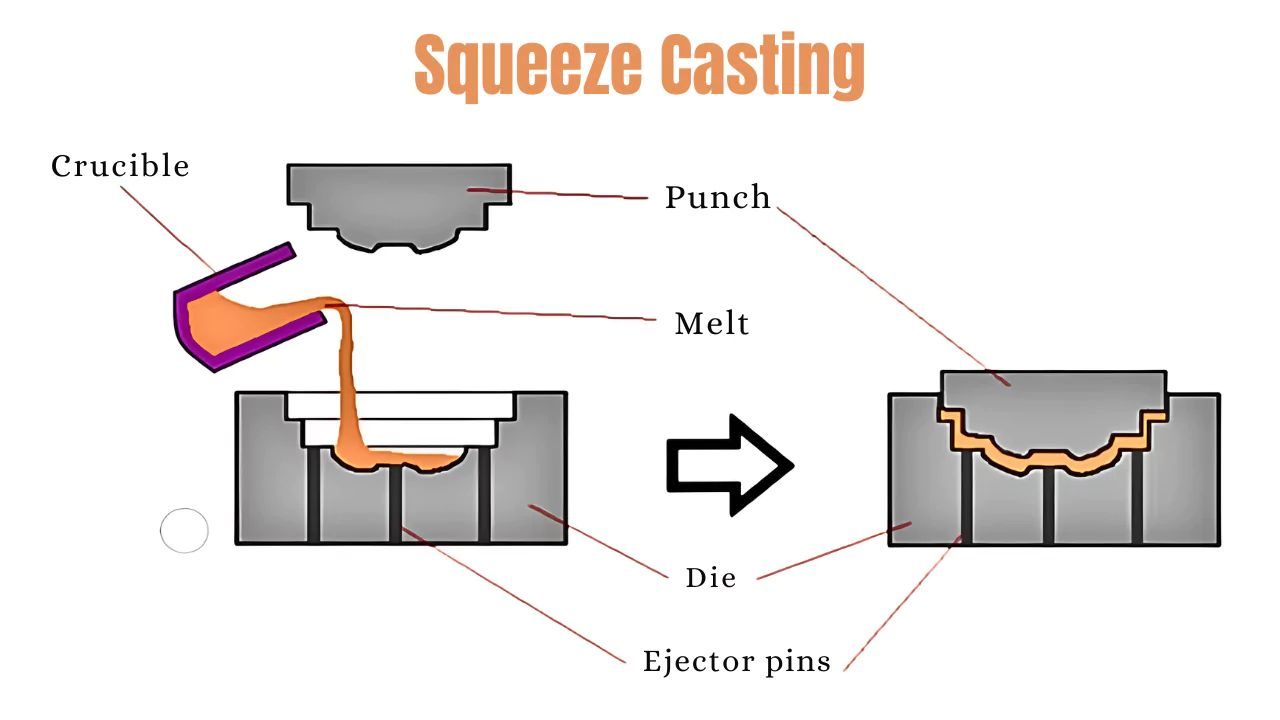
Squeeze casting bridges the gap between die casting and forging. In this process, molten metal is poured into a preheated die and solidified under high pressure, which eliminates gas porosity and increases mechanical strength. It is particularly suited for components that demand high load-bearing capacity, such as structural automotive parts or heavy-duty machinery components.
On your site, position squeeze casting as a premium option for customers seeking both structural integrity and fine surface finishes. Detailed diagrams or animations can help visitors grasp how the compression stage improves material properties. Combining this with application examples demonstrates how your capabilities align with industries that require uncompromising performance.
Present Vacuum Die Casting for Defect Reduction
Vacuum die casting is designed to reduce porosity by removing air from the mold cavity before molten metal is injected. This method produces parts with improved density, making them ideal for applications requiring superior strength, pressure tightness, and surface quality, such as automotive transmission cases or aerospace housings.
To feature this method effectively, explain the technical advantage of air evacuation in straightforward terms. Include data or case studies showing reduced rejection rates and enhanced performance metrics. Visual comparisons, such as cross-sections of standard vs. vacuum-cast parts, can clearly illustrate the benefits to potential clients.
Organize the Information for Maximum Impact
How you present these processes on your website is just as important as the descriptions themselves. Consider creating a dedicated “Capabilities” or “Processes” section where each casting type has its own subpage. Use consistent formatting, professional photography, and application-specific examples for each.
Interactive elements, like clickable diagrams or short process videos, can keep visitors engaged while conveying technical details. Always pair process explanations with their real-world applications, making it easy for potential customers to match your capabilities with their requirements. A well-organized presentation transforms technical manufacturing services into a clear and persuasive value proposition.